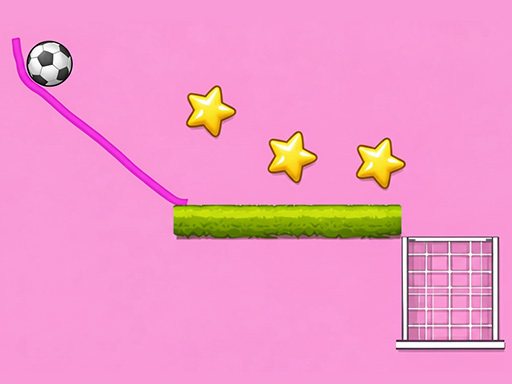
Soccer Drop Game
A sports-focused reaction game where timing and spatial awareness dominate. Ideal for physical tension release through rhythmic, goal-oriented play that channels restless energy into satisfying mechanical feedback.
Focus Finder: ideas and inspiration for your home — serving Budapest, Budapest, Hungary.
Start diagnostic journeyEvery recommendation includes a 50-word benefit explanation and annotated research links. We show you why each game addresses your stated symptoms—no algorithms, no engagement metrics, just transparent reasoning chains.
A sports-focused reaction game where timing and spatial awareness dominate. Ideal for physical tension release through rhythmic, goal-oriented play that channels restless energy into satisfying mechanical feedback.
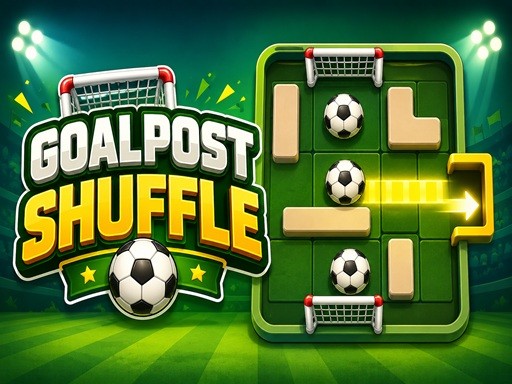
Football-themed puzzle mechanics requiring strategic placement and planning. Engages executive function and sustained attention, helping redirect racing thoughts toward bounded problem-solving with clear win states.
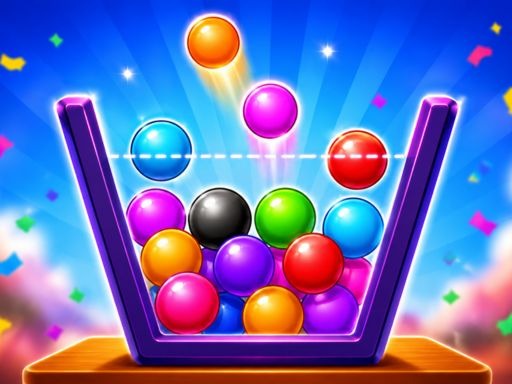
Adventure-based puzzle progression combining spatial reasoning with exploration. Builds cognitive momentum through incremental challenge scaling, ideal for mental fog when you need gentle structure without pressure.
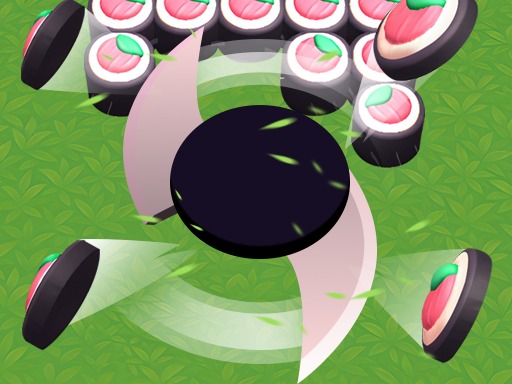
Hypercasual skill-based activity emphasizing precision and creative constraint. Channels creative block into immediate, low-stakes experimentation where every attempt teaches and rewards fine motor control.
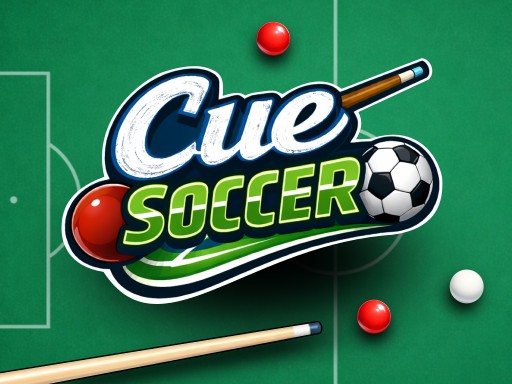
Billiard-football hybrid supporting solo or two-player modes. Combines spatial planning with kinetic satisfaction, offering both meditative solo focus and social engagement for tension release through collaborative play.
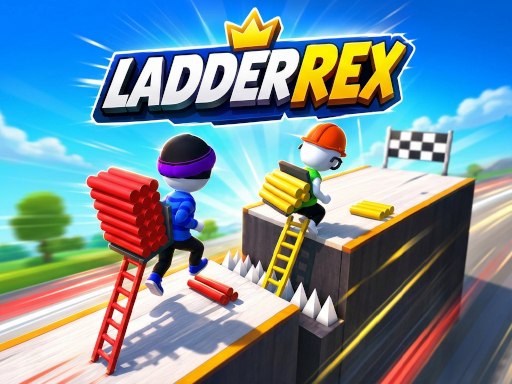
Casual racing mechanics with bridge-building elements. Encourages forward momentum and adaptive thinking, perfect for breaking creative deadlock through rapid iteration and visible progress in low-consequence environments.
You tell us what you're experiencing—scattered attention, mental heaviness, physical restlessness, or stuck creativity. We map your symptom to game types proven to address that specific strain. Each recommendation includes a reasoning chain showing exactly why we picked it and research links you can explore. No dark patterns. No engagement maximization. Just honest guidance for busy adults who need permission to take
Rate your current state across racing thoughts, mental fog, physical tension, and creative block. Your answers create a symptom profile that guides recommendation logic.
See exactly why we recommend each game. Example: 'You selected racing thoughts → we recommend Goalpost Shuffle because puzzle mechanics engage executive function and create bounded focus.'
Every recommendation links to cognitive science sources explaining why that game type addresses your symptom. Understand the mechanism, not just the suggestion.
Set a timer before you start. Five minutes, ten minutes, twenty—whatever fits your break. The timer runs silently in the background, removing decision fatigue about 'how long should I play?' and protecting your return to work. Research shows time-bounded play reduces guilt and increases restorative benefit. Choose your duration based on your strain type: racing thoughts often need 5–10 minutes of focused engagement
Short, focused sessions with immediate feedback loops. Your nervous system needs quick wins and clear boundaries to downshift from hyperarousal.
Longer sessions allowing cognitive momentum to build. Gradual challenge progression helps your attention system re-engage without overwhelming depleted resources.
Medium sessions emphasizing embodied play or exploratory mechanics. Enough time to shift state without overthinking, short enough to maintain focus.
Racing thoughts demand bounded focus and immediate feedback. Mental fog needs gentle momentum building. Physical tension seeks rhythmic, goal-oriented activity. Creative block responds to low-stakes experimentation. This framework isn't personality typing—it's neurobiology. Your current state has specific needs, and certain game mechanics address those needs more effectively than others.
Goalpost Shuffle and Soccer Drop Game both provide rapid feedback and clear win conditions. Puzzle mechanics engage your executive function, giving your overactive attention system a legitimate task. Research shows bounded problem-solving reduces rumination.
Fill The Glass Puzzle and Ladderrex build momentum gradually. Adventure and racing mechanics create forward motion without requiring complex decision-making. Incremental progress helps your attention system re-engage.
Cut Art Master, CueSoccer, and Ladderrex combine kinetic satisfaction with creative constraint. Embodied play and spatial reasoning shift you out of stuck patterns. Low-stakes iteration removes perfectionism barriers.
You don't have time to download, install, create accounts, or wait for updates. Browser games eliminate every barrier between 'I need a break' and actual play. No login screens. No tutorial unskippable cutscenes. No notifications asking for permission. Just open, play, close. For overwhelmed professionals, friction is the enemy of rest. These six games respect that constraint.
Desktop, tablet, phone—no installation required. Your break activity follows you without consuming storage or processing power. Switch devices mid-session without losing progress.
Start immediately. No email verification, password recovery, or privacy policy acceptance screens. Your cognitive load stays low. Play anonymously if you prefer.
We don't track gameplay data, sell behavioral profiles, or use your session history for targeting. Your break time remains yours. Recreational use only—these games support rest, not productivity metrics.
Overwhelmed professionals have legitimate questions about screen time, effectiveness, and whether games actually help. We answer directly, without marketing language or false claims.
Yes, with conditions. Research on attention restoration theory shows even brief breaks reduce cognitive fatigue—but only if you actually disengage from work. Gaming works because it demands enough attention to interrupt rumination without requiring sustained e
The diagnostic questions map your self-reported strain to game mechanics. Rate racing thoughts, mental fog, physical tension, and creative block on a simple scale. Your profile generates a reasoning chain showing which games address your specific symptom and w
Two minutes counts. Research shows micro-breaks reduce decision fatigue and restore attention. Soccer Drop Game and Cut Art Master work in short bursts. Set your timer, play one round, return to work. The session timer removes guilt about 'wasting time'—you've
All six games run in modern browsers without requiring installation, account creation, or data collection. No tracking pixels, no behavioral profiling, no ads selling your attention. Play anonymously. Close the tab and your session data remains local. Recreati